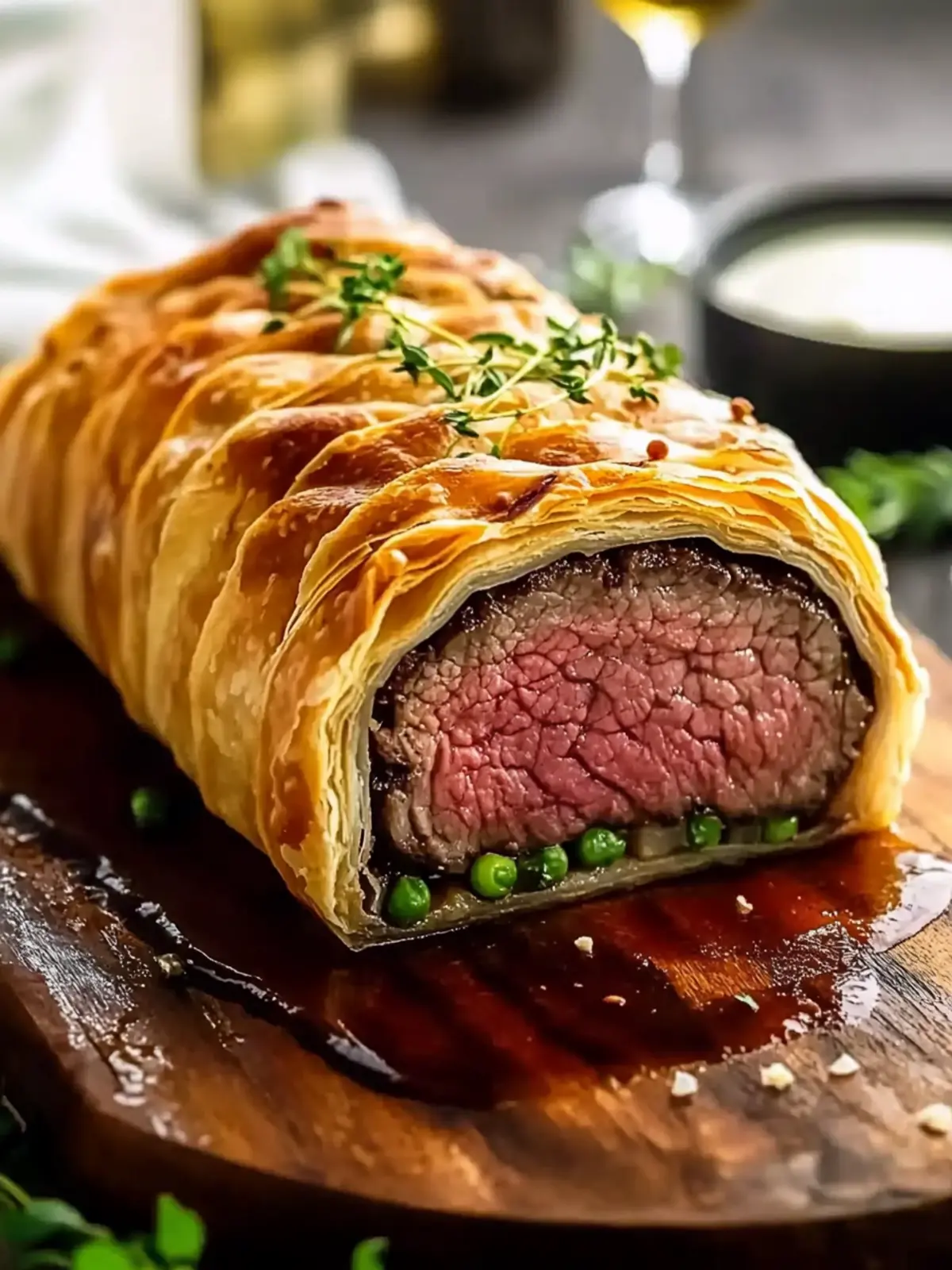
Mastering Beef Wellington: Your Guide to an Unforgettable Holiday Centerpiece
Forget everything you thought you knew about the intimidating reputation of Beef Wellington. This iconic dish, a true culinary masterpiece, has long been synonymous with high-end restaurants and daunting preparation. Yet, we're here to tell you that this luxurious main course, perfect for holiday entertaining or any special occasion, is far more accessible than you might imagine. With a few pro tips, quality ingredients, and a touch of confidence, you too can craft a show-stopping Beef Wellington that will undoubtedly impress your guests and leave them asking for your secret. Prepare to elevate your holiday feast from memorable to absolutely legendary.
Unveiling the Magic: What Makes Beef Wellington So Special?
At its heart, Beef Wellington is a symphony of textures and flavors. It's a grand declaration of culinary ambition, yet each component plays a vital, harmonious role. This classic English dish isn't just a meal; it's an experience. Its distinguished name, a tribute to Arthur Wellesley, the 1st Duke of Wellington, carries a historical gravitas that adds to its allure. To learn more about its fascinating journey from a Duke's namesake to a luxurious main dish, explore
Unveiling Beef Wellington: From Duke's Name to Luxurious Main Dish.
The core elements are deceptively simple:
- A Premium Cut of Beef: Typically a beef tenderloin (fillet mignon), known for its unparalleled tenderness.
- A Flavorful Coating: A rich mushroom duxelles, often combined with a delicate layer of paté or even a savory crepe.
- A Protective Barrier: Thin slices of prosciutto or Parma ham, which add a salty depth and help keep the pastry crisp.
- Golden Puff Pastry: The flaky, buttery exterior that encases it all, baking to a beautiful, golden-brown perfection.
- An Indulgent Sauce: A luscious red wine reduction, served alongside, to complete the elegant presentation and flavor profile.
Together, these ingredients transform into a dish that's visually stunning, incredibly flavorful, and perfectly suited for creating an air of sophistication at any celebratory gathering.
The "Easier Than You Think" Approach: Demystifying the Process
The secret to making Beef Wellington manageable lies in understanding each step and appreciating its contribution to the final masterpiece. We're breaking down the process to show you just how achievable this holiday recipe truly is.
Mastering the Elements
1.
The Beef Tenderloin: Choosing and Preparing Your Star
The quality of your beef is paramount. Opt for a whole beef tenderloin (often referred to as fillet mignon when cut into individual steaks) from a reputable butcher. Before anything else, it needs a good sear. Professional chefs, like the acclaimed Gordon Ramsay, champion the use of a sturdy cast-iron skillet for this crucial step. Searing the tenderloin rapidly in a hot pan creates a beautiful crust, locking in juices and adding profound depth and color.
After searing, generously brush the beef with Dijon mustard. This isn't just for flavor – the mustard acts as a tenderizer and provides a gentle, welcome kick, contributing to a more complex taste profile. Crucially, allow the beef to cool completely before proceeding; warm beef will create steam, leading to soggy pastry.
2.
The Duxelles: The Umami Powerhouse
Duxelles is a finely chopped mixture of mushrooms (cremini or button work well, but feel free to experiment with shiitake or oyster for added complexity), shallots, and herbs, sautéed until almost all moisture has evaporated. This step is critical: excess moisture from the mushrooms will make your pastry soggy. Cook it down until it's a thick, almost paste-like consistency. This concentrated mixture provides a deep, earthy, umami flavor that beautifully complements the rich beef.
3.
The Layers: Building Flavor and Protection
Here’s where the magic truly begins.
- Prosciutto: Lay out overlapping slices of prosciutto (or Parma ham) on plastic wrap to create a rectangular "sheet." This not only adds a wonderful salty counterpoint but also acts as a vital moisture barrier between the mushroom duxelles and the puff pastry, preventing it from becoming damp.
- Duxelles: Spread the cooled mushroom duxelles evenly over the prosciutto. Some recipes also include a thin layer of chicken liver paté at this stage, adding another dimension of richness.
- Optional Chive Crepe: For an extra layer of sophistication and moisture control, consider making a thin savory chive crepe. This elegant addition, popularized by modern renditions of the dish, provides an additional barrier and a subtle herbal note. Lay it gently over the duxelles.
- Dijon-Coated Beef: Place your perfectly seared and cooled, Dijon-coated beef tenderloin at one end of your prosciutto/duxelles/crepe sheet.
4.
The Puff Pastry: The Golden Embrace
Quality puff pastry is key. You can make your own, but high-quality store-bought all-butter puff pastry is a fantastic time-saver, especially during busy holidays. Roll it out into a rectangle large enough to completely encase your beef. Gently lift the plastic wrap to help you roll the layered prosciutto, duxelles, and beef tightly into a log, ensuring the pastry fully seals around the meat. Trim any excess pastry, ensuring a neat, tight package.
Step-by-Step Simplified Assembly Guide
- Sear and Chill the Beef: Heat a cast-iron skillet with oil to smoking hot. Sear the tenderloin on all sides until deeply browned. Remove, brush with Dijon mustard, and let cool completely (ideally in the fridge for an hour or two).
- Prepare the Duxelles: Sauté finely chopped mushrooms and shallots until all moisture has evaporated. Season well and let cool completely.
- Assemble the Layers: Lay out a large sheet of plastic wrap. Arrange overlapping slices of prosciutto on top to form a rectangle. Spread the cooled duxelles (and optional paté/crepe) evenly over the prosciutto.
- Wrap the Beef: Place the cooled, mustard-coated beef at one end of your layered sheet. Using the plastic wrap, carefully roll the prosciutto, duxelles, and crepe around the beef, creating a tight log. Twist the ends of the plastic wrap to firm it up, then chill for at least 30 minutes.
- Encase in Pastry: Roll out your puff pastry on a lightly floured surface into a rectangle. Unwrap the chilled beef log and place it in the center of the pastry. Fold the pastry over the beef, sealing the edges tightly. Trim excess pastry and use trimmings to decorate if desired.
- Chill Again: This step is non-negotiable! Chilling the entire Beef Wellington for at least 30-60 minutes (or even overnight) firms up the structure, prevents leaks, and ensures an even bake and golden crust.
For a deep dive into advanced techniques and specific insights from a master chef, refer to
Gordon Ramsay's Beef Wellington Secrets for a Modern Classic.
Pro Tips for a Flawless Finish
Achieving a truly spectacular Beef Wellington involves a few key techniques that can elevate your dish from good to utterly divine.
Achieving the Perfect Medium-Rare
The heart of a great Beef Wellington is a perfectly cooked, succulent beef tenderloin. For a melt-in-your-mouth experience, aiming for a medium-rare doneness is ideal.
- Temperature is Key: Invest in a reliable meat thermometer. Insert it into the thickest part of the beef, ensuring it doesn't touch the pastry. For medium-rare, aim for an internal temperature of 125-130°F (52-54°C) *before* resting.
- The Importance of Resting: Once out of the oven, the Beef Wellington *must* rest for at least 15-20 minutes. This allows the juices to redistribute throughout the meat, ensuring every slice is tender and moist. The internal temperature will also continue to rise a few degrees during this time (carryover cooking).
- Oven Temperature: Start with a higher oven temperature (e.g., 400-425°F / 200-220°C) for the first 15-20 minutes to achieve that initial puff and golden color, then reduce it to finish cooking. This prevents the pastry from burning while the beef comes to temperature.
The Golden Crust
The visual appeal of Beef Wellington is largely due to its glorious, golden-brown pastry.
- Egg Wash: Before baking, brush the entire surface of the pastry with an egg wash (beaten egg yolk mixed with a little water or milk). This creates that signature shine and rich color.
- Scoring and Venting: Lightly score the pastry with a sharp knife in a decorative pattern (e.g., crosshatch) without cutting all the way through. This adds elegance and helps the pastry puff evenly. Crucially, make a few small vents in the pastry to allow steam to escape, preventing it from becoming soggy.
The Essential Red Wine Sauce
A rich red wine sauce isn't just an accompaniment; it's an integral part of the Beef Wellington experience. Its deep, savory notes cut through the richness of the beef and pastry, providing a perfect balance. While a full recipe is beyond the scope here, consider making a simple reduction using good quality red wine (like a Pinot Noir or Cabernet Sauvignon), beef stock, shallots, and a touch of fresh thyme. This can easily be prepared ahead of time, freeing you up on the day of your holiday feast.
Making it Your Own: Customizations and Accompaniments
While the classic Beef Wellington recipe is undeniably superb, don't be afraid to add your personal touch.
- Duxelles Variations: Experiment with different mushroom varieties or add a hint of brandy or Madeira to your duxelles for extra depth. Fresh herbs like thyme or rosemary can also be incorporated.
- Paté Alternatives: If traditional paté is not to your liking, consider a thin layer of finely chopped sun-dried tomatoes or a spinach and feta mixture as a savory alternative.
- Garnish and Presentation: Serve your carved Beef Wellington slices with a sprinkle of fresh chives or parsley for a pop of color. Arrange slices artfully on a platter.
- Accompaniments: Classic side dishes that complement Beef Wellington include roasted root vegetables (carrots, parsnips), creamy mashed potatoes, or blanched green beans with slivered almonds. Choose sides that are delicious but won't overpower the star of the show.
Conclusion
Beef Wellington is more than just a meal; it’s a statement. It’s a testament to thoughtful cooking, a blend of exquisite flavors, and a guaranteed showstopper that will leave a lasting impression on your holiday guests. By breaking down the process, understanding the purpose of each step, and embracing these practical tips, you can confidently create this luxurious main dish in your own kitchen. This holiday season, dare to conquer the Beef Wellington. You'll not only impress your guests but also discover the joy and satisfaction of mastering a truly iconic culinary challenge. Happy cooking!